
UK Student Visa Ban 2026: Which Countries Are Affected and What Are Your Options?
Yana Immis
Ahmed had already imagined his future in the United Kingdom.
He had received his university acceptance letter, researched housing options, and even started planning what life might look like in London.
Then the news arrived.
The UK government announced new restrictions affecting student visa applications from several countries.
Suddenly, thousands of international students like Ahmed were left wondering whether their study plans would still be possible.
Why the UK Is Changing Student Visa Policies
The United Kingdom has long been one of the most popular destinations for international students.
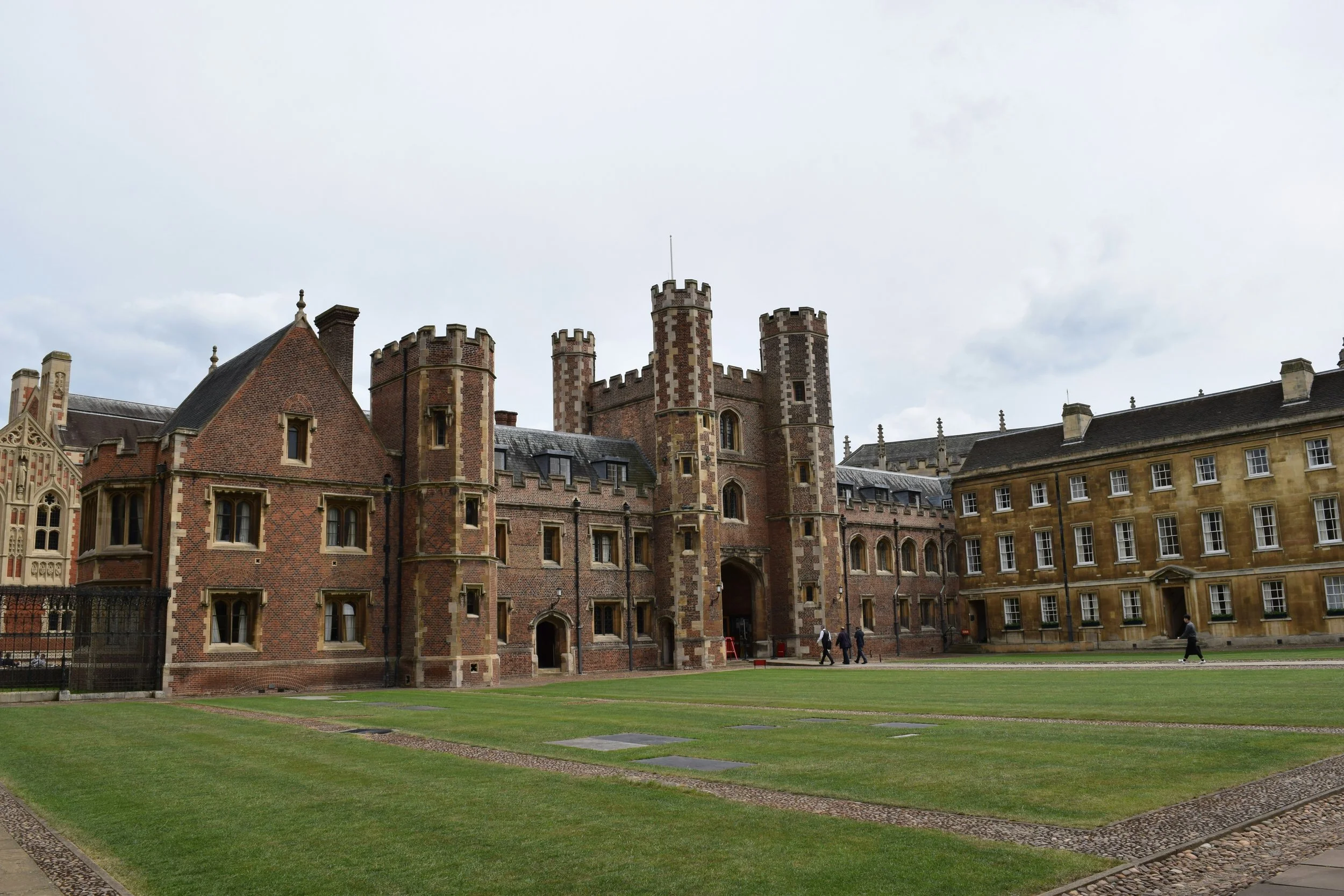
Universities such as University of Oxford and University of Cambridge attract students from all over the world.
However, rapid growth in international student numbers has led the government to review immigration policies.
Officials have expressed concerns about housing availability, infrastructure pressures, and broader immigration targets.
As a result, stricter visa policies have begun to appear in recent months.
What the Visa Restrictions Mean for Students
For students currently planning to study in the UK, these changes may feel alarming.
However, the situation is more complex than simple “bans.”
In many cases, visa policies are being adjusted rather than completely closed.
This can include:
• stricter documentation requirements
• additional financial verification
• limits on dependents accompanying students
While these changes may make the process more challenging, they do not mean international education in the UK is ending.
UK Student Visa Ban 2026: Which Countries Are Most Affected?
Not all students are facing the same level of restriction.
The UK government has historically applied heightened scrutiny to applications from countries with higher visa overstay or refusal rates.
Countries that have faced increased visa scrutiny in recent years include:
Nigeria: one of the largest sources of UK student visa applications, facing some of the highest refusal rates
Pakistan: students have reported significantly longer processing times and stricter financial requirements
Bangladesh: additional documentation requirements have been introduced for applicants
Sri Lanka: refusal rates have risen alongside broader South Asian policy reviews
Ghana: students have encountered tighter sponsorship and financial verification standards It is important to note that restrictions do not mean automatic rejection.
Students from these countries continue to receive visas, but the process requires more preparation, stronger documentation, and in many cases, earlier applications.
How Long Will the UK Student Visa Ban Last?
This is the question most students are asking right now, and the honest answer is that there is no fixed end date.
UK visa restrictions tend to shift with government priorities, housing pressures, and broader immigration targets rather than following a predictable timeline.
What we do know:
- Restrictions are tied to domestic policy goals, not academic calendars
- Some countries face longer processing times while others face stricter approval criteria
- Policy reviews typically happen annually, meaning changes could ease or tighten with little notice
- Students applying for 2026 and 2027 entry should plan for a longer, more document-heavy process than in previous years.
The safest approach is to treat current restrictions as long-term rather than temporary, and plan accordingly.
If you are unsure how these changes affect your specific country or situation, yanaimmis.com offers free consultations and can give you a clearer picture of where things stand right now.

Alternative Study Destinations
Students whose plans are affected by visa restrictions may also want to explore alternative destinations.
Countries across Europe, North America, and Asia continue to expand international education opportunities.
Programs in countries such as Ireland, Australia, and the Netherlands have become increasingly popular among students seeking English-language degrees.
Exploring multiple destinations can sometimes reveal opportunities students had not previously considered.
Final Thoughts
Policy changes can create uncertainty for students planning international education.
But global education opportunities remain extensive.
Students who remain flexible, informed, and strategic can still pursue rewarding study abroad experiences.
If you are concerned about visa changes and want to understand your study abroad options, speaking with advisors can help you explore alternative pathways.